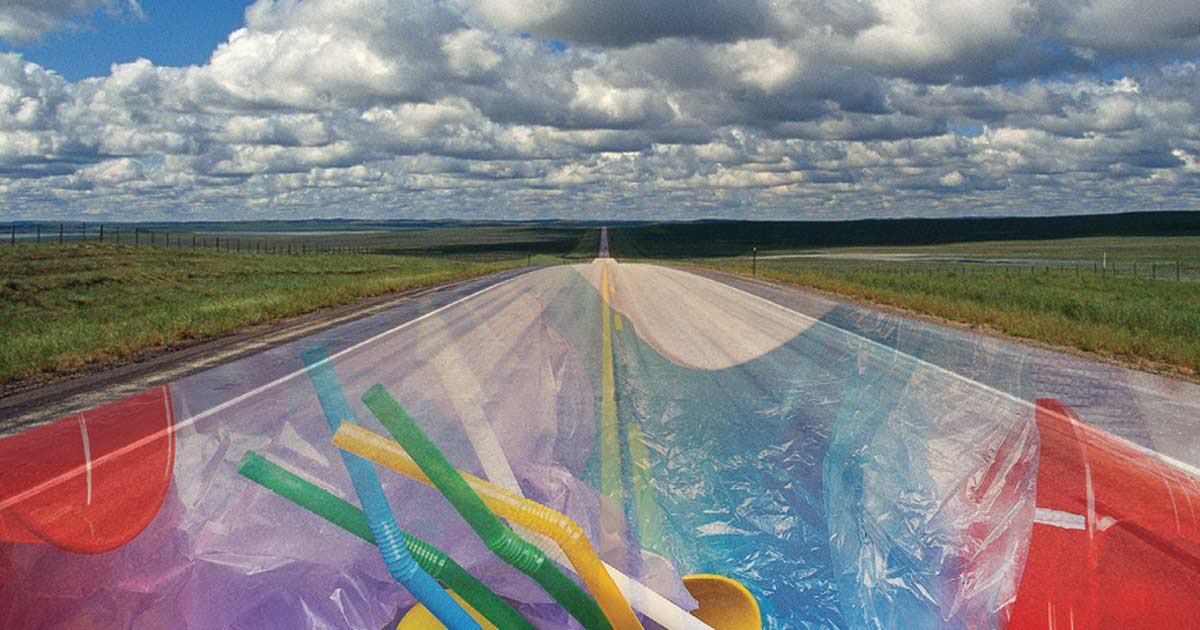
Testing Plastic Roads
When China recently stopped importing much of the United States’ recycling materials, it created a glut of recyclables, including plastics, with no place to go.
Enter civil engineering researchers Sahadat Hossain and Warda Ashraf.
The pair is combining their two areas of expertise—recycling and asphalt/concrete, respectively—to lead a feasibility study on building plastic roads, funded by the Texas Department of Transportation (TxDOT).
The roads wouldn’t be made entirely of recycled plastic, but instead mixed with asphalt for an ideal consistency to keep it safe for motorists and help it last longer, cost less, and avoid cracking.
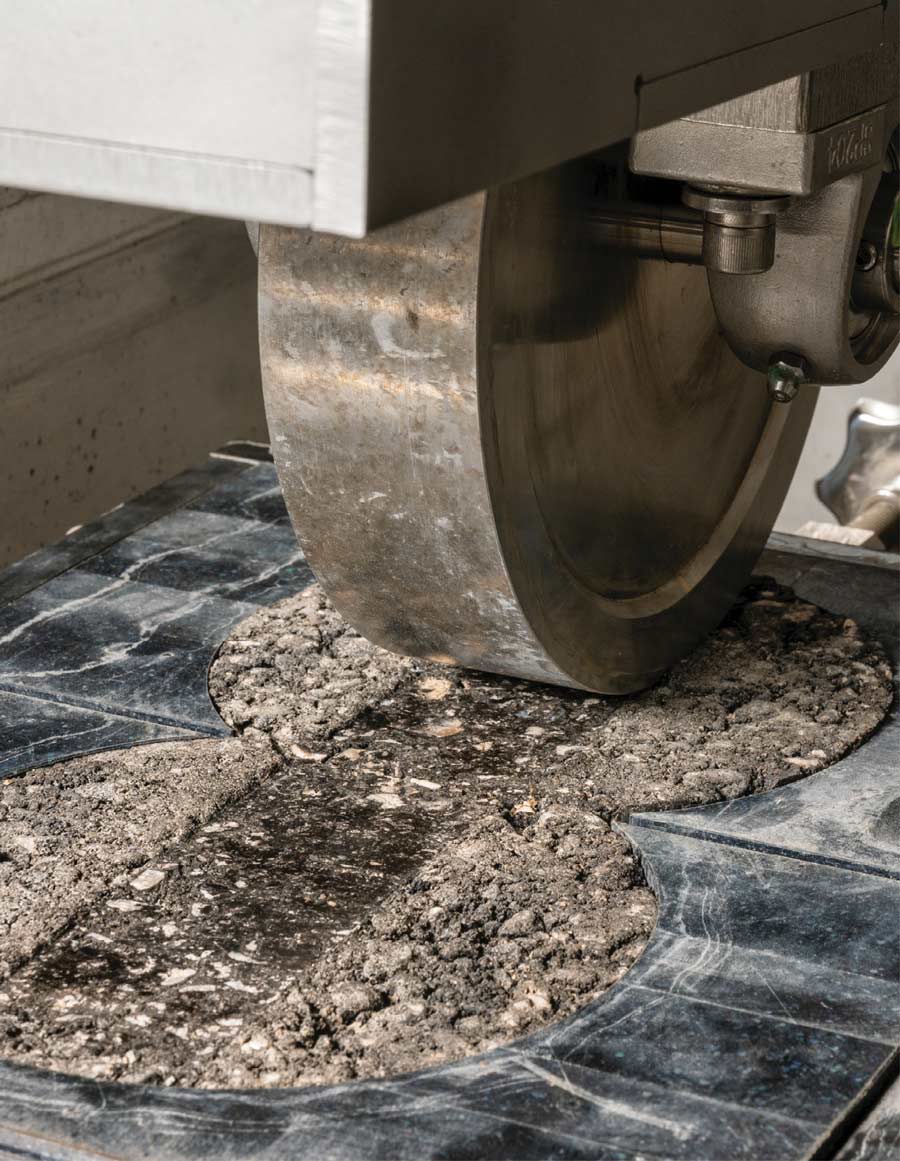
“When China was taking all of the recyclables, it was an $11 billion per year industry for the United States,” says Dr. Hossain, civil engineering professor and director of UTA’s Solid Waste Institute for Sustainability. “Materials that were recycled before are now going to landfills, where they are going to occupy a large volume of landfill space for a long time.
“Since the international market for U.S. recycling materials no longer exists, we need to find and create local uses and markets for recycled plastics. TxDOT is focusing on increasing use of sustainable construction material, and this feasibility study of plastic roads is the agency’s latest effort.”
Some countries already have tried building plastic roads, with inconsistent results. According to Hossain, the right mix of plastic is needed in asphalt to create friction between a vehicle’s tires and the road, ensuring safe driving.
He and Dr. Ashraf, an assistant professor in civil engineering, will have a lot of recycled plastics available for testing. In 2015, the most recent year for which data is available, the U.S. generated more than 262 million tons of waste, up 4.5% from 2010 and 60% from 1985, according to the U.S. Environmental Protection Agency.